July 28, 2026
Back pain has a way of reshaping daily life almost overnight. One day you're bending to tie your shoes without a second thought, and the next, a sharp or radiating ache stops you cold. For many people, that shift signals a herniated or bulging disc, two of the most common structural culprits behind chronic back pain. Understanding what's happening in the spine, and knowing which back pain treatment options actually address the root cause rather than masking symptoms, can make the difference between months of frustration and a genuine path toward relief. This guide walks through the symptoms, the science, and the professional-led strategies that help people recover function and confidence.
Understanding Herniated and Bulging Disc Symptoms
The spine relies on a series of soft, cushioning discs to absorb shock and allow smooth movement between vertebrae. A bulging disc occurs when the outer layer weakens and extends beyond its normal boundary, while a herniated disc involves a more significant rupture that allows the inner gel-like material to push outward. Both conditions can irritate nearby nerves, leading to symptoms that range from a dull, localized ache to sharp, shooting pain that travels down an arm or leg. Numbness, tingling, and muscle weakness often accompany these sensations, particularly when a disc issue affects the lower back or neck. Because these symptoms can mimic other conditions, an accurate diagnosis is the first meaningful step toward effective back pain treatment.
Recognizing the Signs That Demand Back Pain Treatment
Not every ache warrants a visit to a specialist, but certain patterns suggest it's time to seek back pain treatment rather than waiting things out. Pain that persists beyond a few days, worsens with sitting or bending, or radiates into the legs or feet often points to disc involvement. Sciatica-like symptoms, where pain travels from the lower back through the buttock and down the leg, are a particularly common sign of a herniated or bulging disc pressing on a nerve root. Muscle weakness, difficulty standing for extended periods, or a noticeable loss of flexibility are additional red flags. Ignoring these signals rarely makes them disappear; instead, untreated disc issues tend to compound over time, making early back pain treatment far more effective than delayed intervention.
Exploring Chiropractic Approaches to Back Pain Treatment
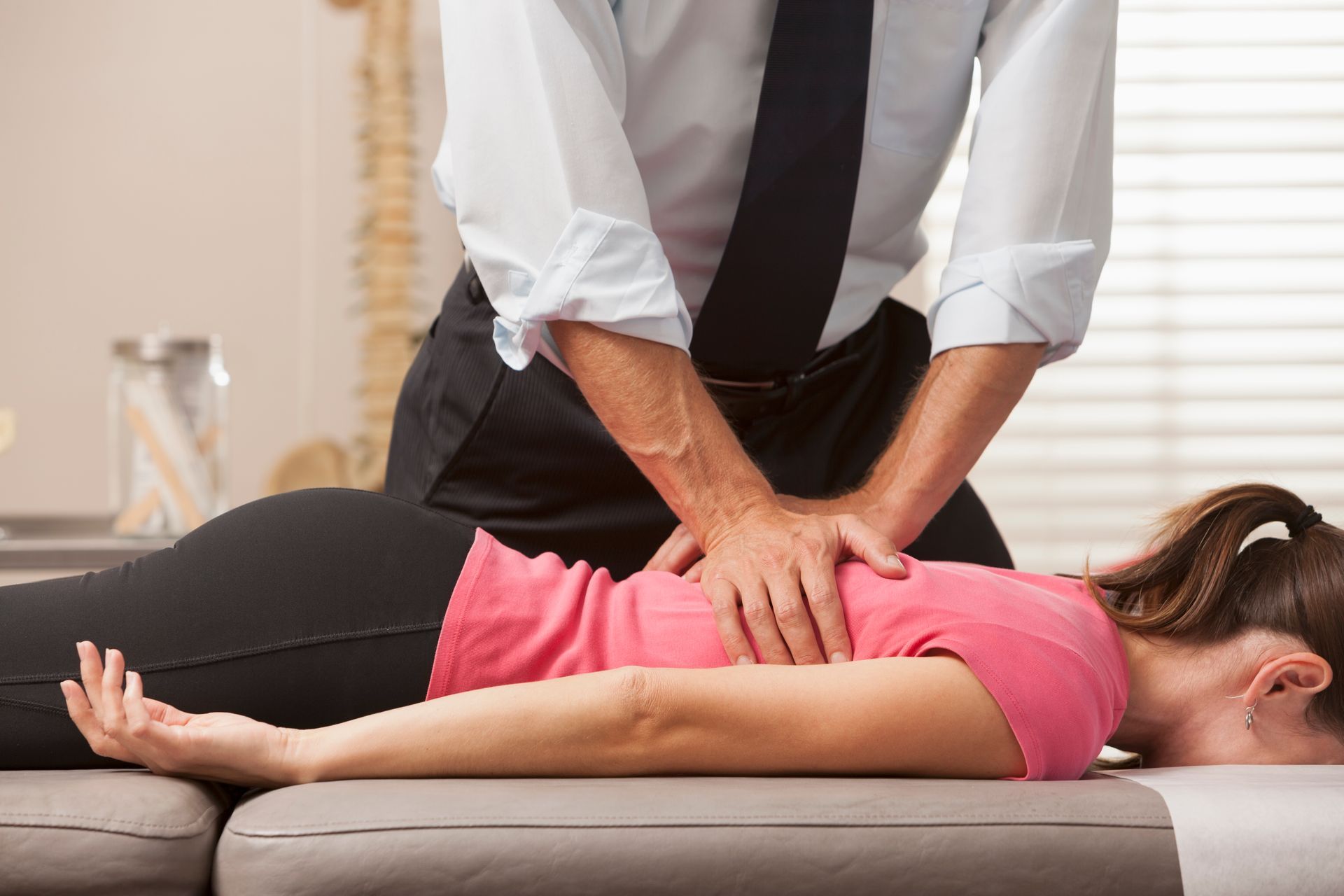
Chiropractic care offers a non-surgical path for many people dealing with disc-related discomfort. Precise spinal adjustments are designed to restore proper alignment, reduce pressure on affected nerves, and improve overall joint mobility. For patients with herniated or bulging discs, techniques like the Gonstead Method emphasize careful assessment before any adjustment is made, ensuring the approach matches the specific structural issue at hand. This kind of targeted back pain treatment differs from generic stretching or over-the-counter remedies because it addresses the mechanical source of the problem rather than simply dulling the sensation of pain. Patients often notice that consistent chiropractic care not only reduces acute discomfort but also supports better posture and movement patterns that help prevent future flare-ups.
Utilizing Spinal Decompression and Rehab Therapy for Back Pain Treatment
Spinal decompression is one of the more targeted tools available for disc-related back pain treatment. This approach gently stretches the spine to create negative pressure within the disc space, which can help retract herniated or bulging material and improve circulation of nutrients to the area. For many patients, decompression works best when paired with structured rehabilitation exercises that strengthen the surrounding musculature and support long-term spinal stability. Spinal rehab therapy focuses on rebuilding strength and flexibility gradually, reducing the likelihood that the same disc issue will resurface. Together, these approaches represent a layered back pain treatment strategy: one component addresses the disc directly, while the other builds the physical foundation needed to protect it going forward.
Supporting Recovery With Complementary Wellness Therapies
Beyond spinal adjustments and decompression, several complementary therapies can enhance recovery for people managing disc symptoms. Cold light laser therapy uses targeted wavelengths to reduce inflammation and support cellular repair in irritated tissue, which can be particularly helpful during flare-ups. Dry needling therapy targets tight, overworked muscles that often develop around an injured disc as the body compensates for pain, helping to release tension that might otherwise limit progress. Applied kinesiology diagnostic techniques can also help practitioners identify muscular imbalances that contribute to ongoing discomfort, allowing for a more precise treatment plan. When woven into a broader recovery plan, these therapies don't replace core back pain treatment methods so much as reinforce them, giving the body more tools to heal and stay balanced.
Choosing the Right Team for Your Back Pain Treatment
The chiropractic and wellness industry has grown substantially, giving patients more choices than ever when selecting a provider. According to IBISWorld, the U.S. is now home to more than 66,000 chiropractic businesses as of 2026, a figure that underscores just how many options exist for people seeking relief. With that much variety, it's worth prioritizing experience, credentials, and a genuinely personalized approach over convenience alone. A qualified provider will take time to evaluate imaging, discuss symptom history, and explain each recommended step rather than offering a one-size-fits-all adjustment. Working with professionals who understand the nuances of disc pathology, rather than attempting to self-treat with generic stretches or unverified online advice, significantly improves the odds of a lasting outcome. The right team will also coordinate care across multiple therapies, ensuring that spinal adjustments, decompression, rehab exercises, and complementary treatments all work in concert rather than in isolation.
Knowing What to Expect From Ongoing Back Pain Treatment
Recovery timelines vary from person to person, but most patients notice gradual improvement over several weeks of consistent care rather than instant relief. Early visits often focus on reducing acute pain and inflammation, while later sessions shift toward rebuilding strength, mobility, and stability around the affected disc. It's common for progress to include occasional plateaus or minor setbacks, which is why ongoing communication with your provider matters. Adjusting the plan as your body responds ensures back pain treatment stays effective throughout every stage of healing. Patience, combined with steady professional guidance, ultimately leads to more durable, long-term results.
Building Habits That Sustain Long-Term Relief
Even the most effective back pain treatment plan benefits from supportive daily habits. Maintaining good posture during long periods of sitting, incorporating gentle mobility work, and avoiding repetitive heavy lifting without proper form all reduce strain on vulnerable discs. Patients recovering from a herniated or bulging disc are often encouraged to stay moderately active rather than remaining completely sedentary, since gentle movement promotes circulation and prevents stiffness from setting in. Sleep position matters too; supporting the lower back with proper pillow placement can ease pressure overnight. None of these habits substitute for professional care, but they do help extend the benefits of in-office treatment between visits, making the overall recovery process smoother and more sustainable.
Herniated and bulging disc symptoms can feel overwhelming, especially when pain interferes with the basic movements of daily life. But these conditions are highly manageable with the right combination of professional care, targeted therapies, and supportive habits. Whether the goal is resolving a recent flare-up or addressing a long-standing issue that's never fully healed, working with experienced professionals ensures that each phase of recovery is guided by an accurate diagnosis and a coordinated plan rather than guesswork. The path forward doesn't have to be complicated, but it should be informed, consistent, and tailored to your specific spine.
If you're dealing with herniated or bulging disc symptoms and want a plan built around your specific needs, we invite you to reach out to us at The Scottsdale Chiropractor. Our team combines precise spinal adjustments, spinal decompression, rehab therapy, and complementary wellness treatments to help you move toward lasting relief. Contact us today to schedule an evaluation and take the next step toward a healthier back.