September 28, 2026
Modern work environments require employees to sit at desks for extended periods. This sedentary lifestyle contributes to an epidemic of musculoskeletal discomfort. Employees stare at computer screens, developing a hunched posture. The human spine thrives on movement, yet office routines enforce stillness. Without adequate movement, muscles stiffen, and joints lock in abnormal positions. The resulting tension manifests as neck stiffness, shoulder aches, and severe headaches. Addressing these physical ailments requires a targeted approach to physical health.
A chiropractor offers specialized techniques to combat this widespread issue. By applying controlled force to spinal joints, these professionals restore optimal mobility. The process alleviates pressure on the nervous system and the surrounding musculature. Regular sessions transform physical well-being. Individuals suffering from chronic discomfort find lasting relief through these manual interventions. The subsequent sections explore the specific mechanisms that make these adjustments effective for desk-bound professionals.
Uncovering the Sources of Musculoskeletal Discomfort
Extended periods of sitting force the spine into an unnatural curve. The head extends toward monitors, creating massive strain on the cervical spine. Neck muscles engage without pause to hold the head upright. Over continuous hours, these muscles fatigue and tighten. This constant strain creates microscopic tears in muscle tissue. The body responds by forming scar tissue, which restricts movement and generates chronic soreness.
According to ClinicMind, back pain affects more than 70% of people at some point. Desk workers represent a massive portion of this affected demographic. Sitting places enormous pressure on spinal discs compared to standing. When employees slump in their chairs, the pressure intensifies. The lumbar spine loses its natural lordotic curve. This structural compromise leads to disc degeneration and localized inflammation in the lower back.
Poor ergonomics exacerbate these physiological problems. Elevated keyboards cause shoulder elevation. This sustained shoulder shrugging creates painful knots in the trapezius muscles. Off-center monitors force a constant neck twist. Such asymmetric postures lead to muscle imbalances across the upper body. The dominant side becomes tight and hyperactive, while the opposite side weakens and lengthens.
Mental stress compounds these physical issues. Office environments demand intense focus and strict deadlines. Psychological pressure causes unconscious muscle tensing, particularly in the neck and jaw. A chiropractor recognizes this crucial mind-body connection. The physical tension creates a feedback loop, generating additional mental stress. Breaking this cycle requires physical intervention to release the built-up tension in the musculoskeletal system.
Examining the Mechanics of Spinal Realignment
Spinal adjustments involve the application of a precise, controlled force to a specific joint. The goal is to restore normal joint function and mobility. Joints in the spine can become restricted due to poor posture or trauma. Practitioners term these restrictions vertebral subluxations. Releasing these restrictions allows the spine to move with normal fluidity. Proper movement patterns reduce localized inflammation and tissue irritation.
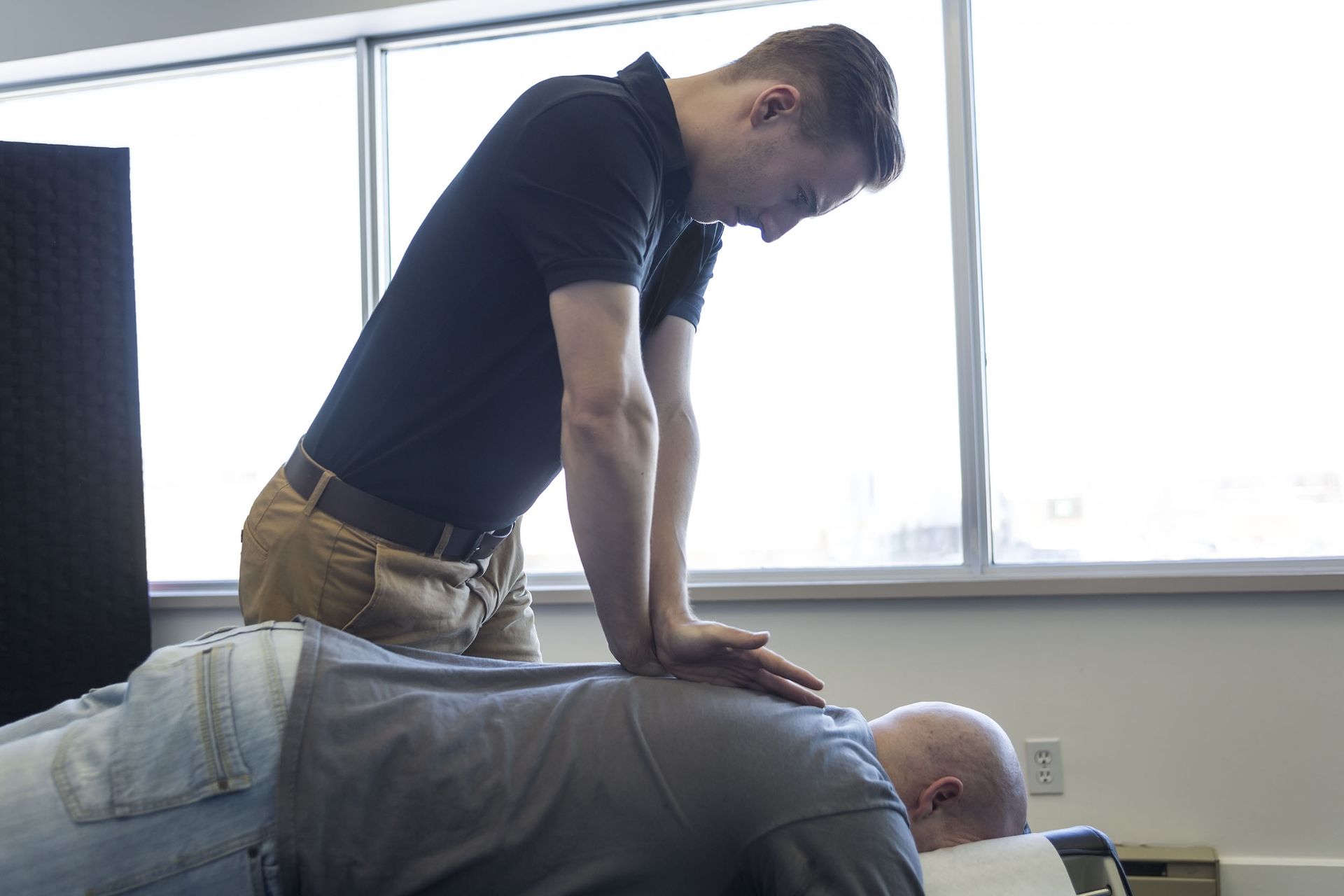
During a session, a chiropractor positions the patient to isolate the restricted joint. The practitioner applies a sudden, gentle thrust. This force separates the joint surfaces. The separation creates a vacuum within the joint capsule. Gas bubbles form and pop, creating an audible sound. This cavitation process relieves pressure within the joint space, restoring normal biomechanics to the affected area.
The mechanical force stretches the surrounding muscle tissue. Tight muscles contain shortened fibers that resist lengthening. The quick thrust overcomes this resistance. Muscle spindles, which control muscle length, reset during this process. The reset allows the muscle to relax and return to a normal state. This relaxation diminishes the feeling of tightness and stiffness that plagues office workers.
Improved joint mobility enhances synovial fluid production. Synovial fluid lubricates the joints, reducing friction during movement. Stiff joints from prolonged sitting lack this essential lubrication. The adjustment acts as a catalyst for joint hydration. Well-lubricated joints experience less wear and tear over the lifespan. This mechanical improvement translates to a smoother, pain-free range of motion for the desk worker.
Analyzing the Effects of Nervous System Balance
The spine protects the spinal cord, a major component of the central nervous system. Nerves exit the spinal column through small openings between vertebrae. When spinal joints lose normal motion, the surrounding tissue becomes inflamed. This inflammation irritates the exiting nerve roots. Nerve irritation disrupts the flow of communication between the brain and the body. Restoring spinal motion reduces this structural nerve interference.
A chiropractor focuses on removing this structural interference. After the joint moves into proper alignment, the local swelling subsides. The pressure on the nerve root diminishes. Normal nerve function resumes, allowing signals to travel without distortion. This improved communication helps the body regulate pain perception. Muscles receive signals to relax instead of remaining in a state of spasm.
Spinal adjustments stimulate mechanoreceptors within the joint capsule. Mechanoreceptors are specialized nerve endings that detect movement. When stimulated, these receptors send a flood of signals to the brain. These signals block pain pathways in the spinal cord. The brain perceives movement instead of pain. This neurological shift provides profound relief from aching muscles and stiff joints.
In addition, adjustments influence the autonomic nervous system. Chronic pain and stress activate the sympathetic nervous system, known as the fight-or-flight response. Constant sympathetic activation depletes energy and prevents healing. Joint manipulation stimulates the parasympathetic nervous system, the rest-and-digest response. This shift promotes deep relaxation throughout the body. Desk workers experience reduced muscle tension following a therapeutic session.
Evaluating the Outcomes of Posture Correction
Relieving tension requires more than a temporary fix. Sustained success depends on correcting the underlying postural deviations. Office workers exhibit forward head posture and rounded shoulders. This postural syndrome places chronic stress on the upper back and neck. Regular adjustments help realign the skeletal structure. The body relearns correct positioning through repeated physical correction and guided movement.
As the spine aligns, the surrounding muscles must adapt. Tight chest muscles begin to open and stretch. Weak upper back muscles gain the ability to contract in an effective manner. A chiropractor may recommend specific exercises to support the adjustments. Strengthening the stabilizing muscles holds the spine in the correct alignment. This muscular retraining prevents the tension from returning during long work hours.
Improved posture expands the chest cavity. Slumping compresses the lungs and limits diaphragmatic breathing. Shallow breathing reduces oxygen flow to the brain and muscles. Correcting the spinal alignment allows for deeper, more efficient respiration. Increased oxygenation enhances cellular repair and reduces fatigue. Employees report higher energy levels and better concentration throughout the workday when maintaining optimal posture.
Ergonomic modifications complement the physical adjustments. Adjusting chair height and monitor angle reinforces the clinical work. The combination of structural realignment and a supportive environment yields optimal results. Employees learn to maintain a neutral spine while typing or reading. This mindful approach to daily habits preserves the benefits of the therapy. Tension headaches and shoulder knots diminish, allowing for productive workdays.
Sedentary office environments pose a significant challenge to musculoskeletal health. The unnatural demands of computer work generate profound physical tension. Without treatment, this tension spirals into chronic pain and structural degradation. However, employees do not have to accept discomfort as a normal part of their career. Targeted physical interventions provide a viable solution for these occupational hazards. By addressing the root cause of the dysfunction, professionals can reclaim their physical well-being and productivity.
A skilled chiropractor provides the expertise necessary to reverse desk-job tension. Through precise spinal adjustments, joint mobility returns, and nerve function normalizes. The combination of structural correction and postural retraining offers comprehensive relief. Employees experience reduced pain, improved energy, and a greater capacity for focus. Prioritizing spinal health allows individuals to thrive in their careers without sacrificing their physical comfort. If you are ready to overcome desk-job tension, we invite you to schedule an evaluation with us at The Scottsdale Chiropractor. As a dedicated chiropractor, our goal is to provide the precise adjustments you need to work comfortably again.